Property Renovation Hull: Before-and-After Ideas for Stunning Results
Hull has a property story that rarely fits a showroom brochure. Streets can shift from handsome Victorian terraces to post-war semis within a few minutes. You see bay windows that have survived a century of sea air, narrow kitchens added in the 1970s, tired rental flats with solid bones, and family homes that simply need a better plan rather than a bigger footprint. That mix is exactly why renovation work here can be so rewarding. Done well, it respects the building, sharpens day-to-day living, and adds real value without turning the place into something unrecognisable.
The most striking before-and-after transformations are not always the biggest or the most expensive. Often, the homes that feel dramatically different afterwards are the ones where someone solved three or four nagging problems at the same time. Poor layout, cold spots, weak lighting, dated finishes, and deferred repairs tend to pile up gradually. A thoughtful renovation clears that backlog and lets the house perform properly again.
If you are considering Property Renovation Hull projects, the key is to think beyond decoration. Fresh paint matters, but so do drainage, insulation, ventilation, electrics, and the quality of the trades on site. The best results come when appearance and performance improve together.
What “before and after” really means in a Hull property
People often imagine before-and-after in visual terms alone. Dark kitchen, bright kitchen. Cramped bathroom, sleek bathroom. That is part of it, but in practice the real transformation is broader. Before can mean a front room that never warms up in winter, a rear extension with a leaking flat roof, or a terrace where every room feels disconnected from the next. After means the heating works efficiently, the roof is dry, the rooms relate better, and the house becomes easier to live in.
Hull’s climate and housing stock make that practical layer especially important. Coastal moisture, driving rain, and older construction methods can expose weak workmanship very quickly. I have seen beautifully styled renovations spoiled by condensation on uninsulated walls, timber decay hidden behind new plasterboard, and bargain windows fitted without proper detailing. The photos looked good on completion day. A year later, the defects were obvious.
That is why experienced owners and a reliable General Contractor usually start with condition, not cosmetics. Survey what you have, work out what must be fixed, then decide what can be enhanced. It sounds less glamorous, but it is the difference between a renovation that lasts and one that disappoints.
The homes that benefit most from renovation in Hull
Terraced houses are some of the best candidates for dramatic change because their issues are often predictable. Ground floors can feel chopped up. Storage is poor. Rear kitchens may be narrow and dark. Yet these houses often have good proportions, strong exterior character, and useful loft potential. Open a visual line to the garden, improve insulation, and rethink the lighting, and the whole property can feel twice as generous.
Semi-detached homes, especially those altered over decades, often benefit from simplification. I have walked into semis where one owner enclosed a porch, another added a conservatory, and someone else shifted a wall without thinking about flow. The result is not always structurally bad, but it can feel muddled. Here, before-and-after success often comes from editing rather than adding. Remove one awkward partition, widen one opening, replace tired doors and skirting with coherent details, and the house starts to make sense again.
Flats and ex-rental properties can also produce excellent results, particularly when the previous upkeep was minimal. New flooring, proper plaster repairs, upgraded sockets, modern heating controls, and a decent bathroom can change both liveability and rental appeal quickly. What matters is doing the hidden work as carefully as the visible work.
Start with the problems buyers and occupants feel first
When people walk into a tired property, they react emotionally before they analyse anything. They notice darkness, smell damp, feel draughts, and clock poor layout within seconds. Those impressions matter because they shape whether the place feels salvageable or burdensome.
A strong renovation reverses those signals. Better natural light makes rooms look cleaner and larger. Consistent flooring reduces visual clutter. Well-positioned storage makes daily life calmer. A warm hallway changes the tone of the entire house in winter. None of these improvements is especially flashy on its own, but together they create a before-and-after effect that people feel physically.
One terrace renovation I remember in west Hull had a classic problem: lovely front reception room, miserable rear kitchen, and a yard-facing back door that made the house feel apologetic. The owners originally wanted only a cosmetic update. Once we looked closer, it was clear that the lighting, door positions, and dated ceiling heights over the kitchen area were doing most of the damage. They opened the space sensibly, not excessively, installed rooflights, added a run of tall storage, and used warmer floor finishes rather than stark grey. The total footprint barely changed. The finished result felt like a different house because the weak points had been addressed at source.
Five before-and-after ideas that consistently deliver
- Rework the kitchen layout before choosing finishes. In older Hull homes, a kitchen often underperforms because appliances and circulation fight each other. Moving a doorway or swapping the sink and hob positions can produce a bigger improvement than a premium worktop.
- Bring more light from above where side windows are limited. Rooflights, glazed rear doors, and better internal sightlines can rescue dark middle rooms, especially in terraces and side return areas.
- Treat the bathroom as a comfort upgrade, not just a style project. Better extraction, proper waterproofing, and easier-to-clean surfaces make the room feel newer for longer.
- Restore original features selectively. Stripping back every layer is not always wise, but retaining a staircase, fireplace surround, cornice, or internal door can give the renovation depth and local character.
- Fix the envelope while the walls are open. Insulation upgrades, damp repairs, improved ventilation, and wiring renewal are far easier and more cost-effective when renovation work is already underway.
These are the projects that repeatedly create the “I can’t believe this is the same place” response, because they improve both atmosphere and function.
Kitchens that go from apologetic to central
Kitchen transformations dominate renovation conversations for a reason. In many Hull homes, the kitchen became an afterthought at some point in the property’s history. It may sit behind two separate doors, receive little daylight, and offer too few sockets and work surfaces for modern use. The before-and-after opportunity is enormous.
The first mistake people make is shopping too soon. Cabinet colours are the easy part. The harder, more valuable questions are about movement and use. Where do groceries land when they come in? Can two people cook without backing into each other? Is there room for a proper bin pull-out, a broom cupboard, and everyday food storage? Can a dining table sit comfortably without blocking a route to the garden?
One of the best outcomes I have seen came from a modest budget where the owners chose not to extend. Instead, they removed a poorly placed pantry wall, squared off an awkward opening, installed lighter cabinetry up to the ceiling, and used under-cabinet and wall lighting to avoid the usual single-ceiling-fixture gloom. They also widened the rear door with glazing. The room gained perhaps ten percent more usable area, but it looked and worked fifty percent better.
In Hull, rear access and weather exposure should factor into kitchen design. Flooring near external doors needs to cope with wet shoes and daily wear. Extraction should be specified properly, especially in tighter houses where condensation can spread quickly. Storage should account for coats, pet gear, cleaning supplies, and all the clutter that older homes were not designed to hide.
Bathrooms where the hidden work matters most
A smart bathroom can be ruined by poor preparation. This is where a rushed contractor shows up fast. Uneven floors, inadequate falls to the drain, weak extraction, and badly sealed shower areas tend to surface within months. Homeowners remember the tile choice, but they live with the workmanship.
The strongest bathroom before-and-after projects start with a technical eye. Is the subfloor sound? Are the pipes accessible and sensible? Will the room ventilate properly when the window is shut in winter? Can the layout improve comfort without triggering avoidable complexity? Sometimes shifting a basin by 300 millimetres makes enough space to create a better shower enclosure. Sometimes retaining the existing soil run saves significant cost that can then go into quality fittings.
For older residents or households planning to stay put, I often think the best renovation choice is not trend-led at all. A low-threshold shower, slip-resistant flooring, stronger lighting at the mirror, and taps that are easy to use can future-proof the room quietly. It still looks polished, just with better judgment behind it.
Living spaces that feel larger without adding square metres
Not every renovation needs steel beams and large extensions. In fact, some of the most satisfying living room and dining room upgrades come from proportion, continuity, and restraint. A house can feel bigger simply because it is less interrupted.
Flooring is a good example. When a hallway, front room, and rear room each use different materials, every threshold breaks the visual flow. Using one consistent floor finish across connected spaces often changes the perception of size more than knocking down another wall. The same goes for skirting, architraves, and paint tone. Coherence is powerful.
Ceiling height can also be a psychological issue. Suspended ceilings installed to hide old services often suppress the room. Where possible, restoring original height, or at least removing unnecessary drops, can create a dramatic after effect. Pair that with layered lighting rather than one central pendant, and the room suddenly earns its proportions.
I worked on a house where the owner was convinced they needed a rear extension to make family life workable. Once the existing ground floor was measured carefully, it became clear the bigger issue was circulation. Too much space was trapped in the wrong places. A door was relocated, a chimney breast alcove was turned into storage, and the furniture plan Fence Contractor chmyorkshireltd.co.uk was corrected around the room rather than around the television. The extension was postponed, and the owners later admitted they no longer felt they needed it.
Exterior upgrades that transform first impressions
The front of the house matters more than many owners want to admit. A well-renovated interior loses some of its impact if the approach still feels neglected. In Hull, external works often pull double duty. They improve appearance while dealing with weather exposure, maintenance, and energy performance.
Brick cleaning and repointing can sharpen a facade dramatically, but only when handled with care. Aggressive methods can damage older masonry. Repointing with the wrong mortar can create its own problems. This is where local experience counts. A contractor who understands traditional walls will approach repairs very differently from someone used only to newer cavity construction.
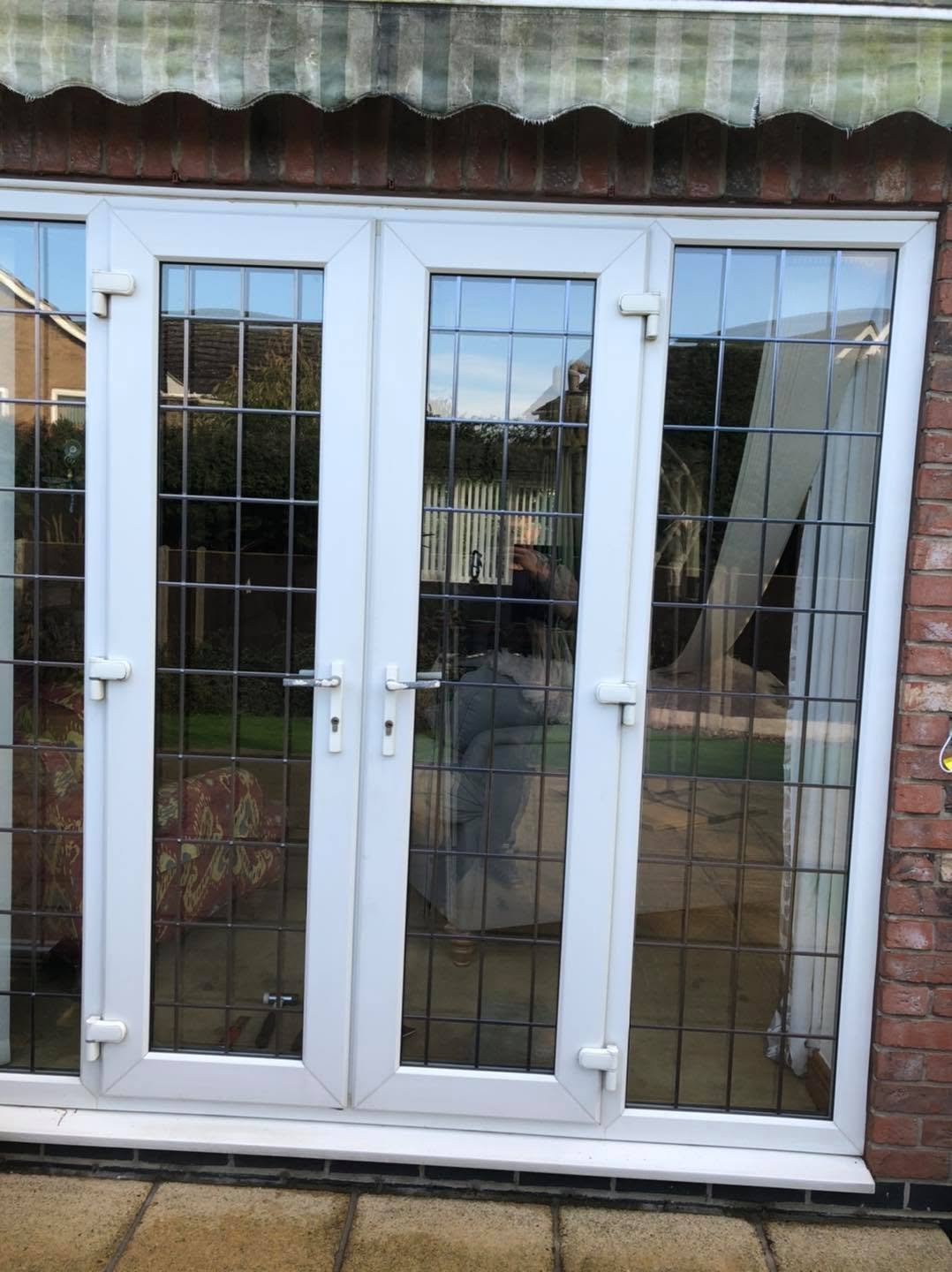
Windows and doors are another make-or-break element. Replacing failed units improves comfort quickly, but the best result depends on proportion and detailing. A bulky frame on a period opening can flatten the whole elevation. A well-chosen replacement, even in a modern material, can lift the appearance while reducing draughts and maintenance.
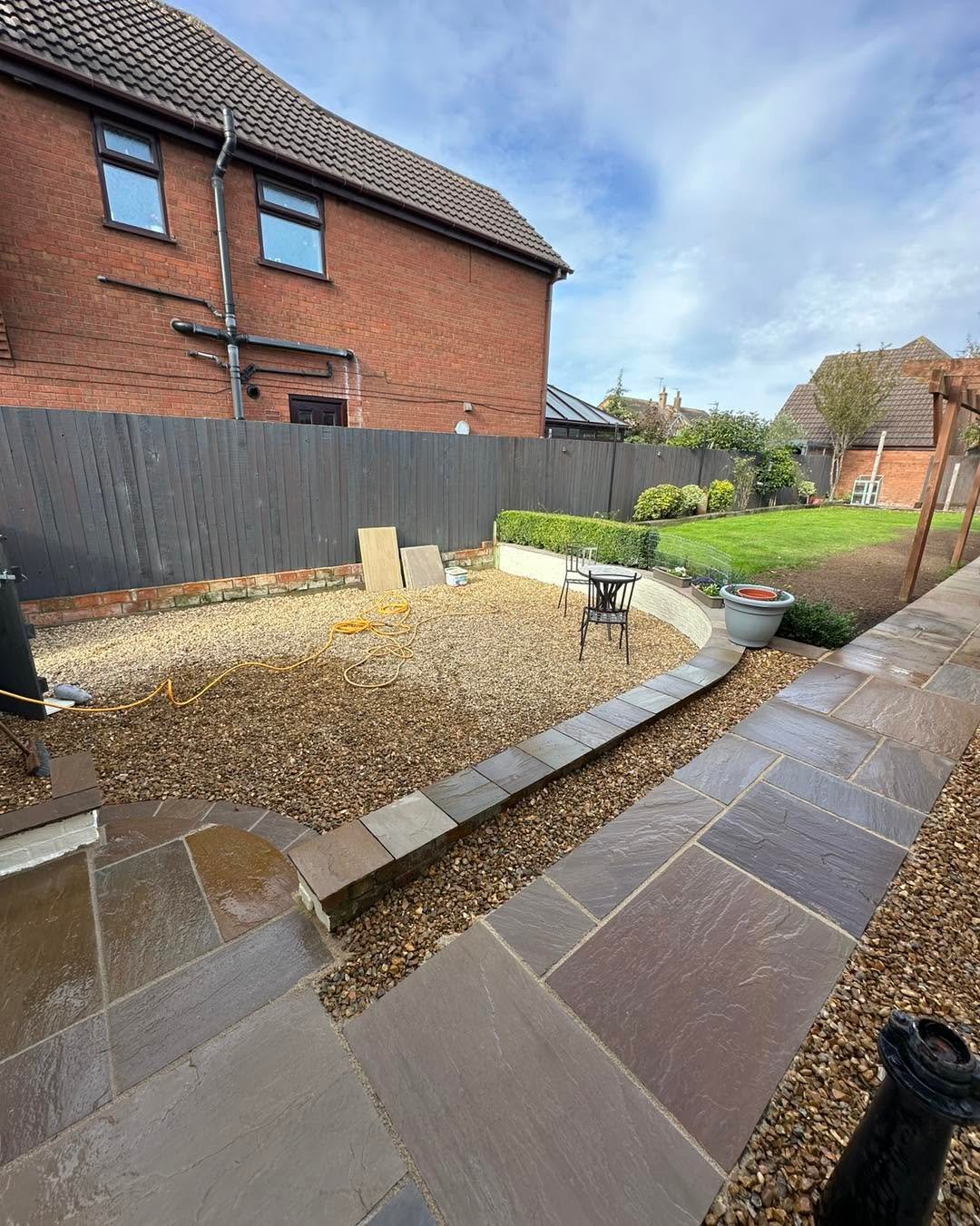
The same principle applies to paths, steps, boundary walls, and lighting. Exterior work does not have to be lavish. It just needs to look deliberate. A straightened front Property Renovation Hull path, repaired masonry, a solid handrail, and warm lighting at the entrance can change the property’s tone before anyone steps inside.
The part budgets often miss
Renovation budgets fail when people treat all costs as visible costs. They account for the kitchen, bathroom, flooring, and paint, then act surprised when money disappears into rewiring, plaster repairs, skips, waste removal, making good, and remedial work uncovered during demolition. Those items are not side issues. In many Hull renovations, especially in older stock, they are central.
A realistic budget allows for uncertainty. If the property has not been updated in a long Bathroom Remodeler time, there is a strong chance you will discover issues once the work starts. Rotten joist ends, tired consumer units, old pipework, poor historic patching, and hidden damp are all common enough to plan for. That does not mean expecting disaster. It means respecting the building.
One practical rule helps: divide costs mentally into visible upgrades, necessary infrastructure, and contingency. Most owners enjoy spending on the first category and resist the second. Yet the second is what protects the first. Brand-new cabinetry fixed to damp walls is not value. Neither is a beautifully tiled bathroom with inadequate extraction.
How to work well with a General Contractor
A good General Contractor is not just a scheduler of trades. The best ones protect sequence, quality, and decision-making. They know where money is being wasted, when a small detail will cause trouble later, and how to keep one trade from compromising another. On renovation jobs, that coordination is often worth more than the cheapest quote.
You can usually tell within the first few conversations whether a contractor understands renovation rather than only new build work. Renovation requires patience with unknowns, strong communication, and respect for the existing structure. It also demands sensible staging. There is no point plastering a wall before all first-fix decisions are settled. There is no value in fitting expensive finishes into a building that is still drying out from damp repairs.
These are the signs I would take seriously when choosing who manages the work:
- They talk clearly about survey findings, sequencing, access, and likely risks, not just finishes.
- Their quote identifies what is included, what is excluded, and where provisional sums may apply.
- They can explain why one method suits your property better than another.
- They are realistic about programme length and do not promise impossibly fast turnaround.
- They care about aftercare, snagging, and how the house will perform once occupied.
That last point matters. Renovation is not complete when the van leaves. A good contractor expects a bedding-in period, checks details, and resolves snags properly.
Why ongoing care protects the renovation
A newly renovated property still needs discipline. This is where Property Maintenance HUll services come into the conversation, especially for landlords, second-home owners, and busy households. Maintenance is not glamorous, but it preserves the finished result and prevents small defects from turning into expensive remedial jobs.
Take sealant lines in a bathroom, external mastic around frames, gutter clearance, extractor fan cleaning, and boiler servicing. None of these tasks is dramatic. All of them affect how long the renovation stays sharp. In coastal or weather-exposed conditions, neglect shows up quickly. Timber swells, paint fails early, joints open, and moisture finds weak spots.
I have seen owners spend heavily on a renovation and then ignore the property for three years, only to face preventable repairs that could have been caught during routine maintenance visits. The smartest clients treat the handover not as the end of a project, but as the start of a better maintenance cycle.
Smart trade-offs that improve results
Every renovation involves compromise. The trick is knowing which compromises are harmless and which create regret. Spending less on feature lighting may be fine if the wiring and switching are excellent. Keeping an existing floor plan may be sensible if the circulation already works. Choosing mid-range tiles can be perfectly wise if waterproofing and installation standards are high.
On the other hand, there are places where false economy bites hard. Cheap flooring in heavy-use kitchens. Poor extraction in bathrooms. Underpowered heating in extended spaces. Inexperienced plastering over repaired walls. Saving a few hundred pounds here can cost far more later in repairs and dissatisfaction.
There is also a design trade-off worth mentioning. Not every room should be stripped back to a blank contemporary shell. Hull properties often look best when old and new are balanced. A crisp modern kitchen can sit comfortably beside restored internal doors and original mouldings. The finished home feels richer because it still belongs to its street and period.
The transformations people remember
The renovations that stay with people are rarely defined by one luxury item. They are remembered because the property finally makes sense. The dark hallway is bright. The family gathers in the kitchen instead of avoiding it. The bathroom is easy to clean and pleasant to use. The back room is warm in January. The front elevation looks cared for again. That is what stunning results actually look like in day-to-day life.
For anyone planning Property Renovation Hull work, the winning approach is straightforward, even if the process is not simple. Start with the building’s real condition. Fix the weak points that affect comfort and durability. Improve layout before chasing finishes. Use experienced trades. Keep enough budget for the hidden essentials. Then maintain the place properly once the dust settles.
That is how an ordinary, tired house becomes a property people respond to instantly, not because it looks trendy for five minutes, but because it feels right the moment they walk through the door.
CHM Yorkshire Ltd
Hull
HU9 5BU
Tel: 01482 455159
Website: https://www.chmyorkshireltd.co.uk